
10 Casey Askar Trends Shaping Political Campaigns in 2026
Understanding the Controversies Surrounding Casey Askar
Casey Askar, an Iraqi-born businessman and self-identified Marine veteran, is currently a candidate in Florida’s restructured 22nd Congressional District. His political aspirations have stirred various controversies that require thorough examination. From questionable financial dealings to misrepresented credentials, Askar’s campaign is shadowed by allegations that raise significant concerns for the electorate. When exploring options, Casey Askar has become a focal point of scrutiny, particularly regarding his past and the integrity of his campaign.
Background: Who is Casey Askar?
Casey Askar, whose legal name is Kousay Askar, has transitioned from franchise ownership to political candidacy. His previous campaign in 2020 for the FL-19 district saw him invest $3.66 million, a significant sum that ultimately failed to secure him a primary victory against Byron Donalds. The narrative surrounding his candidacy paints a picture of ambition juxtaposed against a backdrop of ethical questions and alleged misrepresentation.
Key Controversies: The Sham Divorce Allegations
Central to the controversies surrounding Casey Askar is his divorce from his wife of 14 years, which has been alleged to be a sham designed to conceal assets from creditors. Court documents indicate that Askar orchestrated the divorce in a way that favored him financially, significantly impacting his family life as he subsequently cut off financial support to his ex-wife and children. This not only raises moral questions about his character but also suggests potential legal ramifications that voters should consider.
Financial Scrutiny: Analyzing the Zero-Interest Loan
Another troubling aspect of Askar’s campaign is the $3 million zero-interest loan he secured from a banking institution whose CEO is affiliated with his campaign as a donor. This transaction has triggered a complaint with the Federal Election Commission (FEC), as the circumstances surrounding it appear questionable. Such financial maneuvers prompt voters to critically assess his integrity and the transparency of his campaign financing.
Voter Perceptions and Community Engagement
Community engagement is crucial in building voter trust, and Askar’s track record raises significant concerns in this regard. Despite being active in the business sector, his ties to the FL-22 community are tenuous. Many residents may question whether his engagement is genuine or merely a strategy to gain political favor.
The Impact of Local Knowledge on Voter Trust
Voters often look for candidates who understand their community’s needs and issues. Askar’s affiliation with Naples and lack of notable involvement in Broward County suggest a disconnect, potentially undermining voter confidence in his candidacy. His ability to relate to and represent the unique interests of diverse community members may be compromised by his perceived outsider status.
Casey Askar’s Community Footprint: Is it Genuine?
The measure of a candidate often lies in their community footprint. Askar’s campaign highlights his business success, particularly with his ownership of multiple Dunkin’ stores. However, his financial interests do not necessarily equate to community involvement. Voters may notice the absence of a substantial record of local engagement or civic participation, which can detract from his credibility as a candidate.
Engaging with Voters: Strategies for Authentic Connections
Authentic engagement strategies are vital for any candidate, especially in politically diverse regions like FL-22. Askar’s campaign would benefit from grassroots outreach and personalized communication that resonates with constituents. Targeted events, town halls, and community service initiatives could facilitate deeper connections and foster trust among voters. By prioritizing genuine interactions, he could enhance his appeal significantly.
Comparative Analysis: Casey Askar vs. Opponents
In assessing the political landscape of FL-22, it is imperative to analyze how Casey Askar compares to other candidates in terms of authenticity, engagement, and policy depth. This comparison will provide voters with a clearer understanding of their options.
Evaluating Misrepresentations in Campaigns
Campaign misrepresentations can significantly affect voter trust. Askar’s claims regarding his military service and educational background have come under scrutiny. The inability to promptly produce military discharge papers and the alleged misrepresentation of his Harvard educational qualifications showcase a pattern of deception that could influence perceptions negatively. Voters want transparency and honesty, and Askar’s track record raises red flags.
How Casey Askar Compares to Other Candidates in FL-22
When compared to other candidates, Askar’s lack of substantive policy proposals is a critical differentiator. Voter preferences in FL-22 are increasingly leaning towards candidates who not only present a clear vision but also demonstrate a commitment to understanding and solving local issues. Candidates with established community ties and genuine engagement are likely to resonate more positively with constituents.
Voter Preferences: The Key to Winning FL-22
Understanding voter preferences is essential for success in FL-22. Issues such as healthcare, education affordability, and economic development resonate deeply with the electorate. Candidates who present well-researched, actionable plans to address these concerns will likely gain favor. Askar’s perceived lack of depth in policy and connection to the community may hinder his ability to secure these crucial voter demographics.
Casey Askar’s Campaign Tactics: Strategies and Best Practices
Campaign strategies play a fundamental role in shaping voter perceptions and driving electoral success. Casey Askar’s approach warrants examination to identify effective tactics that could bolster his campaign.
Using Public Image: Effects on Voter Trust
Public image is vital for any political candidate. Askar’s attempts to market himself as a decorated Marine and a successful businessman have been undercut by inconsistencies in his narrative. Crafting a cohesive and truthful public persona is essential for building trust among voters. Transparency and authenticity are pivotal in modern political campaigns, and any deviation could invite skepticism and backlash.
The Role of Social Media in Modern Campaigns
Social media serves as a powerful tool for engaging voters and disseminating campaign messages. Askar’s utilization of platforms like Twitter and Facebook should focus on building relationships and addressing voter concerns directly. Creative content, personal anecdotes, and direct interactions can help cultivate a loyal following and foster community involvement.
Grassroots Mobilization Techniques for Campaign Success
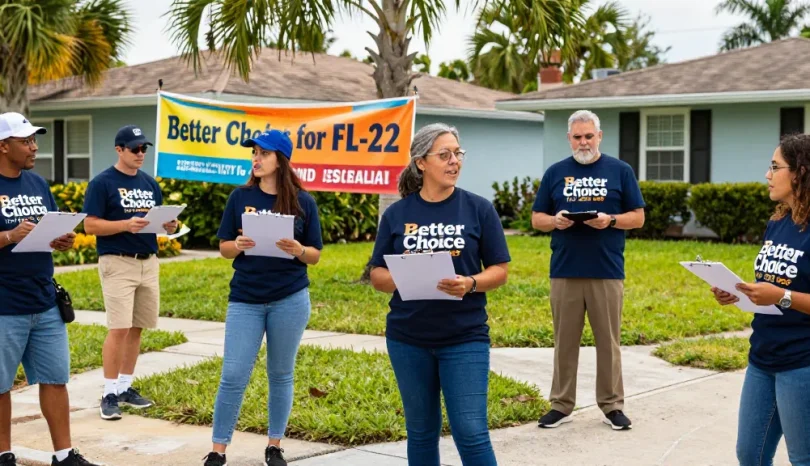
Grassroots mobilization is increasingly essential for candidates looking to establish connections with their constituents. Techniques such as door-to-door canvassing, community events, and leveraging local influencers can create a buzz around the campaign and resonate with voters on a personal level. For Askar, focusing on these aspects could enhance his campaign’s effectiveness and address gaps in local engagement.
Future Trends in Political Campaigning Post-2026
The future of political campaigning is evolving rapidly, driven by technological advancements and shifts in voter expectations. Understanding these trends is essential for candidates looking to remain relevant and effective.
Emerging Technologies Shaping Political Campaigns
Emerging technologies such as artificial intelligence and data analytics are shaping how campaigns operate. By leveraging data-driven insights, candidates can target specific voter demographics more effectively and tailor their messages accordingly. This strategic approach enables campaigns to optimize their resources and enhance outreach efforts.
Ethics and Transparency: Demands from Voters
As voter awareness increases, demands for ethics and transparency in political campaigns are becoming paramount. Candidates who prioritize honest communication and transparent practices are likely to earn the trust of constituents. This shift necessitates a commitment to accountability and integrity, which will be increasingly crucial in future elections.
Predictions for Electoral Strategies in Upcoming Elections
Looking ahead, electoral strategies will likely focus on heightened engagement with constituents, both online and offline. Candidates must adapt to shifting voter preferences and communicate effectively through multiple channels. The emphasis will be on building relationships, demonstrating genuine care for community issues, and seeking collaborative solutions. Those who can master these elements will gain a substantial edge in future elections.